
What Are Medium-Voltage Indoor Vacuum Circuit Breakers
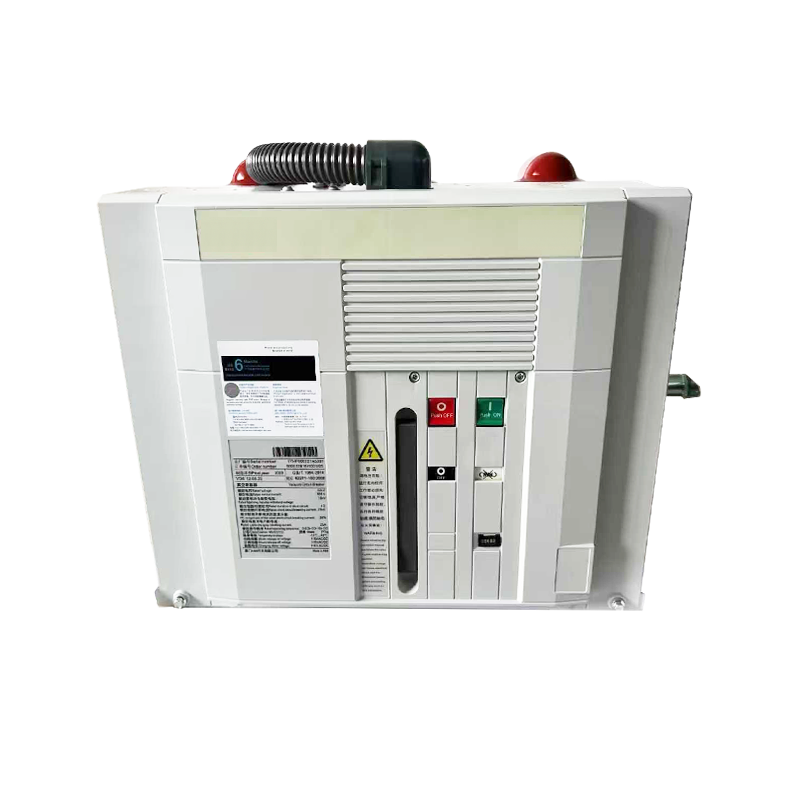
Medium-voltage indoor vacuum circuit breakers are switching devices used to interrupt electrical current in power distribution systems typically ranging from 3.3 kV to 38 kV, protecting equipment and personnel by isolating faults before they escalate into more serious electrical failures. These breakers use a vacuum interrupter chamber, where the contacts separate within a sealed vacuum environment, allowing the arc generated during interruption to extinguish rapidly due to the absence of ionizable gas molecules that would otherwise sustain the arc.
Installed within switchgear panels in substations, industrial facilities, and commercial buildings, these breakers play a central role in maintaining reliable power distribution while providing critical protection against overcurrent conditions, short circuits, and other electrical faults. Their indoor rating means they are specifically designed for controlled environments, distinguishing them from outdoor breakers that must withstand direct exposure to weather conditions.
How Vacuum Interruption Technology Works
Understanding the interruption mechanism helps explain why vacuum circuit breakers have become the dominant technology for medium-voltage indoor applications over older alternatives like oil or air circuit breakers.
The Vacuum Interrupter Chamber
At the heart of every vacuum circuit breaker sits a sealed chamber maintained at an extremely low internal pressure, housing a fixed and a moving contact. When the breaker operates to clear a fault, the moving contact separates from the fixed contact, and because there is virtually no gas present to sustain an arc, the resulting arc extinguishes almost immediately as the current naturally crosses zero during the AC waveform cycle.
Contact Material and Erosion Resistance
Contact materials within the vacuum interrupter are specifically engineered alloys, often copper-chromium based, chosen for their ability to withstand repeated arcing without significant erosion. This material selection directly affects the breaker’s operational lifespan, as contact wear over thousands of switching cycles is one of the primary factors determining when maintenance or replacement becomes necessary.
Key Advantages Over Alternative Breaker Technologies
Vacuum circuit breakers have largely replaced older oil-filled and air-blast breaker designs in medium-voltage indoor applications due to several practical performance advantages.
- Minimal maintenance requirements compared to oil circuit breakers, which require periodic oil testing and replacement.
- No risk of fire or explosion associated with oil-based insulation and arc quenching media.
- Compact physical footprint, allowing for higher-density switchgear panel designs in space-constrained facilities.
- Longer mechanical and electrical life due to reduced contact erosion within the sealed vacuum environment.
- Faster arc interruption times, improving overall system protection response during fault conditions.
Important Technical Specifications to Evaluate
When specifying a medium-voltage indoor vacuum circuit breaker for a particular application, several technical parameters must be carefully matched to the system’s electrical characteristics.
Rated Voltage and Insulation Level
The breaker’s rated voltage must align with the nominal system voltage it will protect, while the insulation level, often expressed as basic impulse level, indicates the breaker’s ability to withstand transient voltage surges caused by lightning strikes or switching operations without insulation failure.
Rated Short-Circuit Breaking Current
This specification defines the maximum fault current the breaker can safely interrupt without damage, and it must be selected based on the maximum available fault current calculated for the specific point in the electrical system where the breaker will be installed.
Comparing Common Breaker Ratings by Application
The table below provides general guidance on typical voltage and current ratings associated with common indoor vacuum circuit breaker applications.
| Application | Typical Voltage Range | Common Breaking Current |
| Commercial Building Distribution | 3.3–12 kV | 16–25 kA |
| Industrial Plant Feeders | 6.6–24 kV | 25–31.5 kA |
| Substation Switchgear | 11–38 kV | 31.5–40 kA |
Installation and Operating Environment Considerations
Because these breakers are designed for indoor use, proper environmental control within the switchgear room significantly affects long-term reliability. Excessive humidity, dust accumulation, or extreme temperature fluctuations can affect insulation performance and mechanical operating components over time, making climate-controlled switchgear rooms an important design consideration for facilities operating in harsh regional climates.
Proper clearance distances between the breaker and surrounding equipment must also be maintained according to applicable electrical codes, ensuring adequate space for maintenance access while preventing dangerous arc flash exposure to personnel working near energized equipment.
Maintenance and Testing Best Practices
Although vacuum circuit breakers require considerably less maintenance than older breaker technologies, periodic testing remains essential for verifying continued reliable operation. Vacuum integrity testing, often performed using a high-voltage withstand test, confirms that the vacuum interrupter chamber has not lost its seal over time, as even minor vacuum degradation can significantly compromise the breaker’s arc-quenching capability.
Contact resistance testing and mechanical operation checks should also be scheduled at intervals recommended by the manufacturer, helping facilities identify developing issues before they result in unplanned equipment failure. Maintaining detailed test records over the breaker’s service life supports better long-term maintenance planning and helps justify replacement timing decisions based on actual performance data rather than assumption alone.
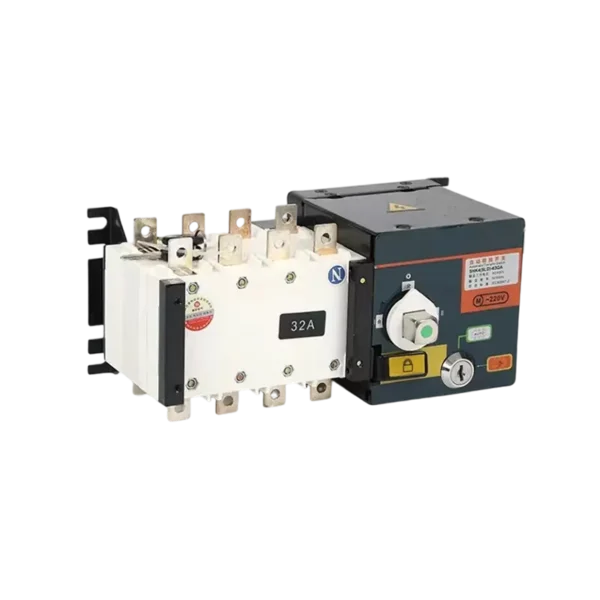
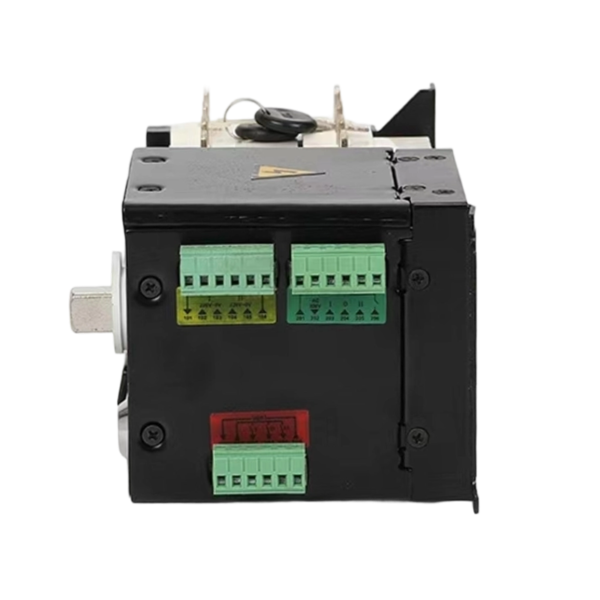
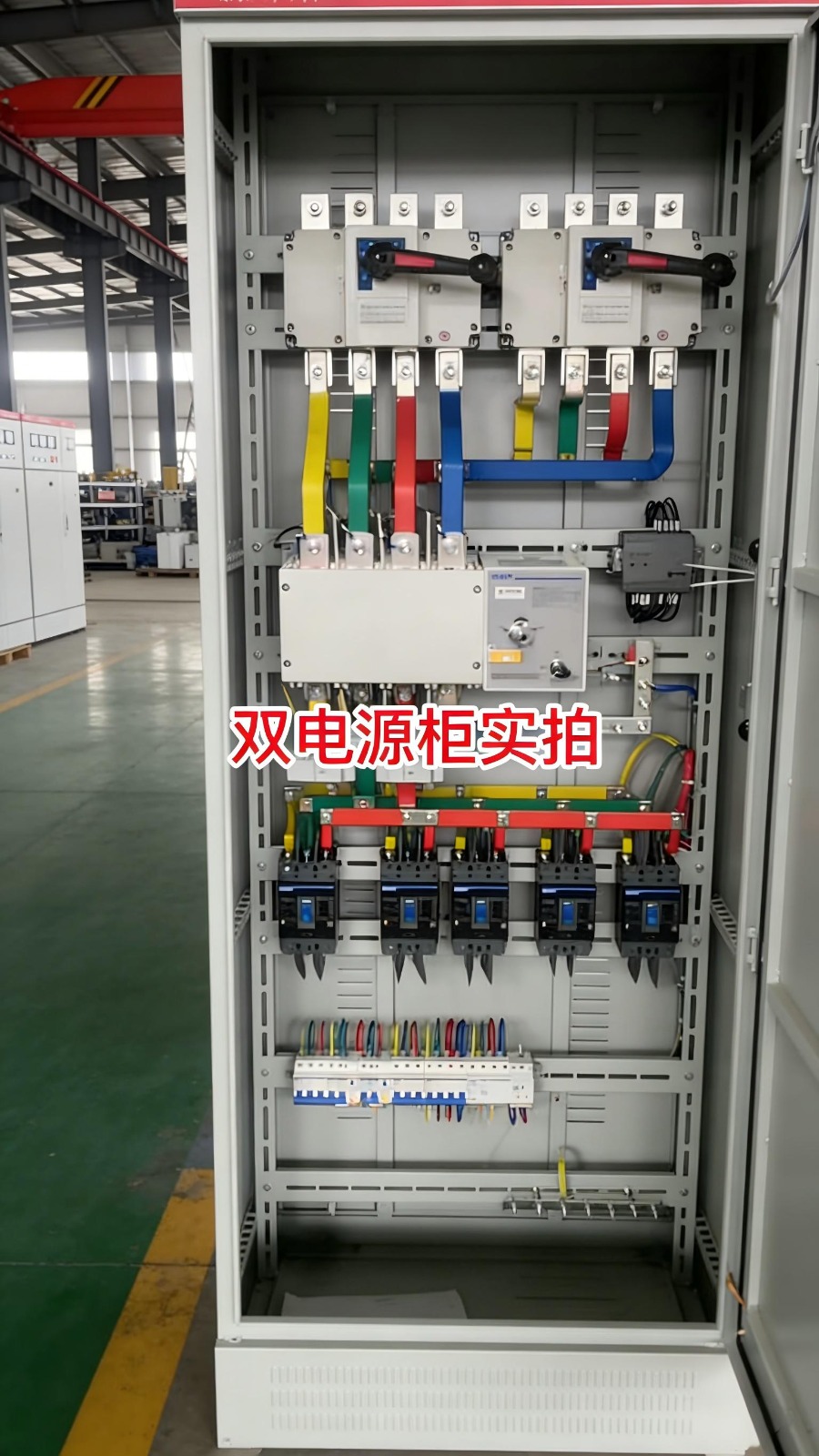
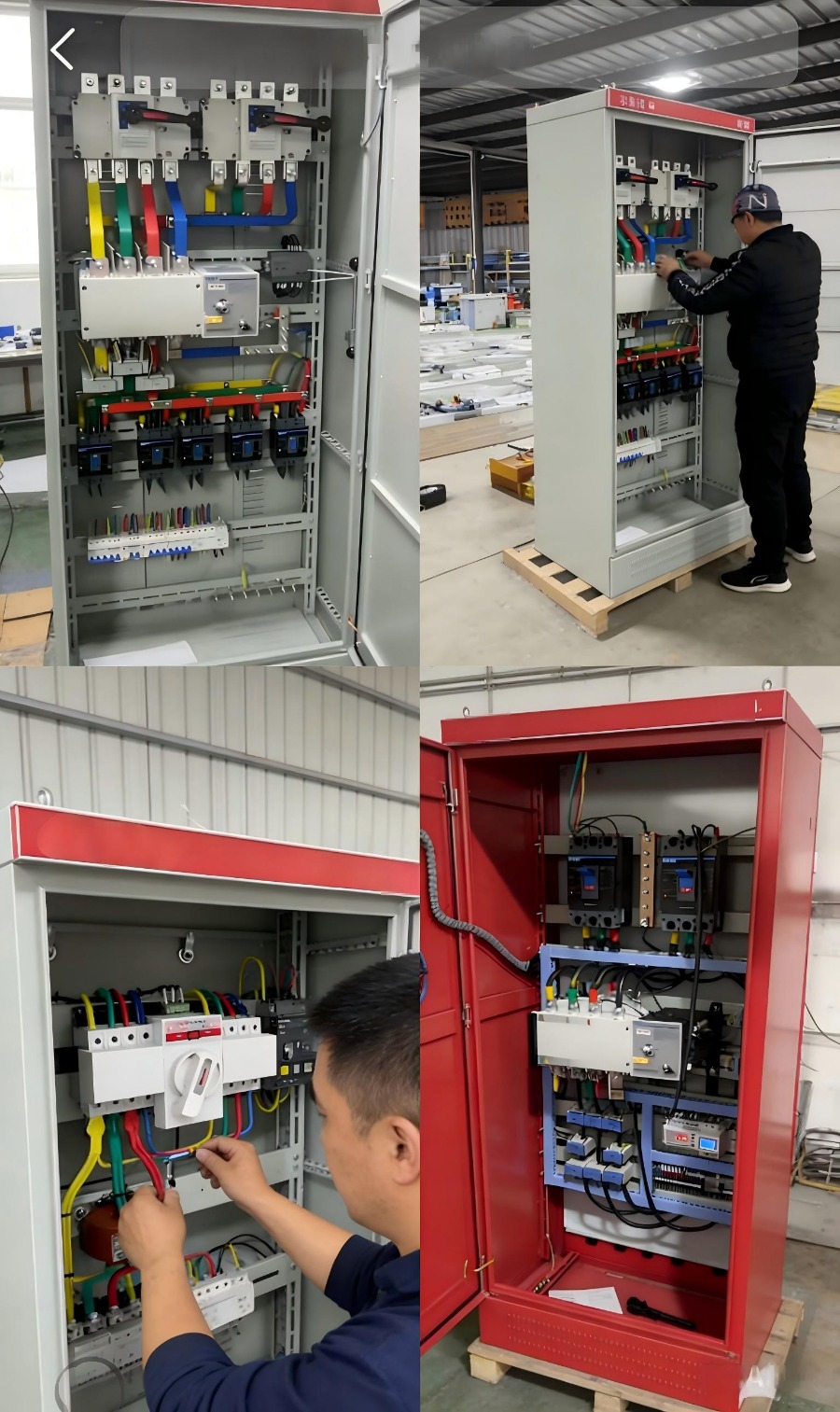
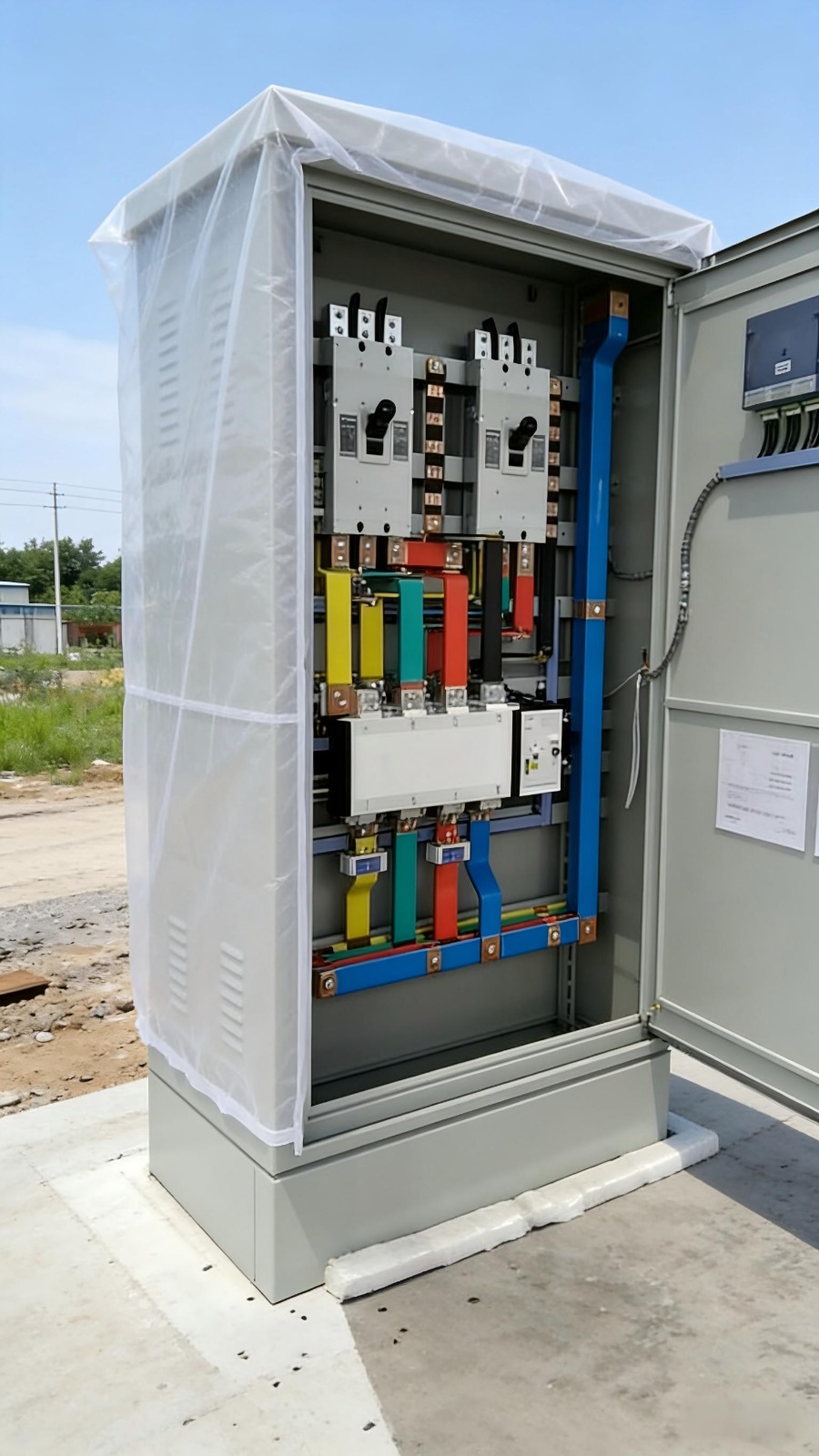
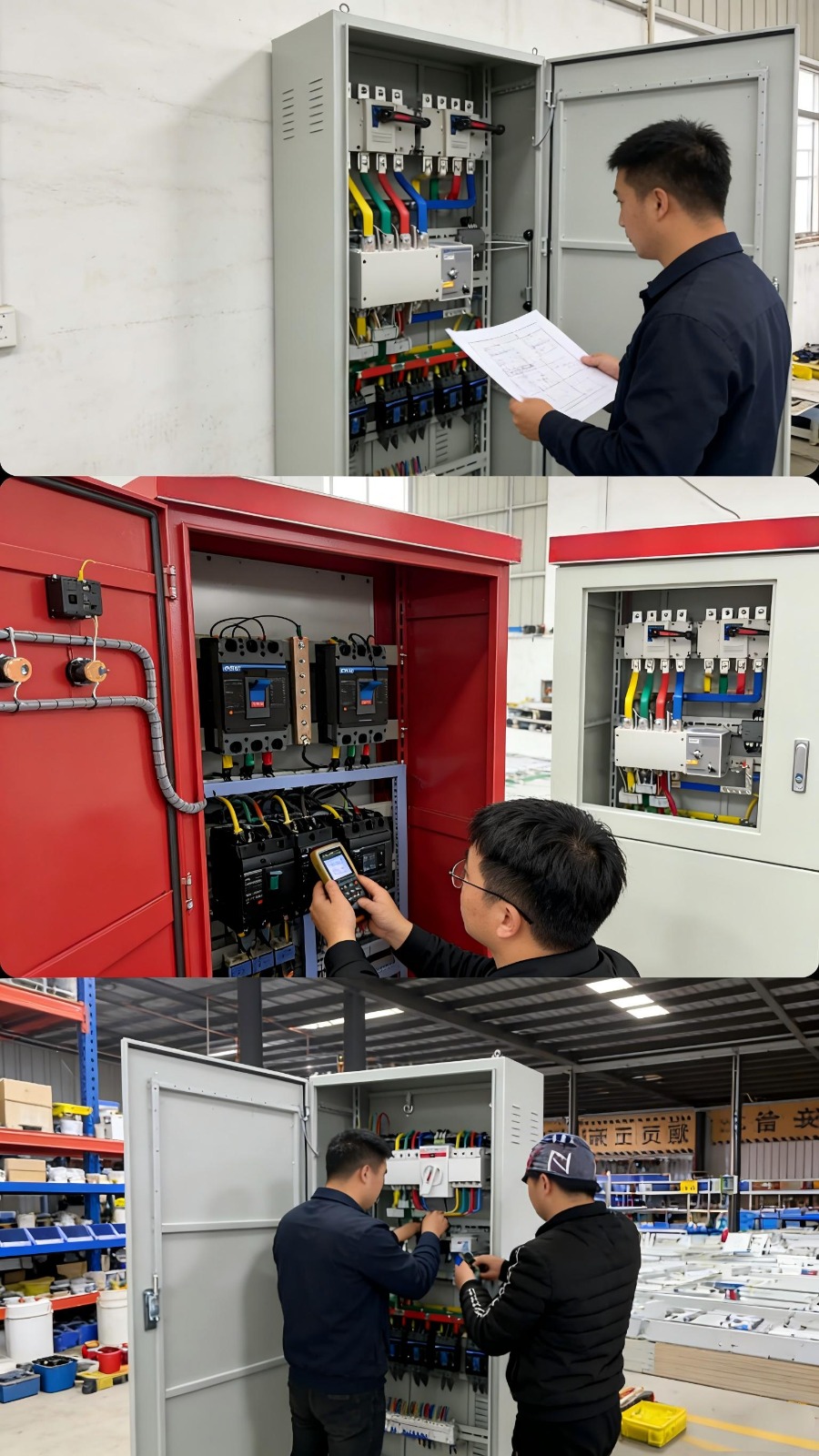
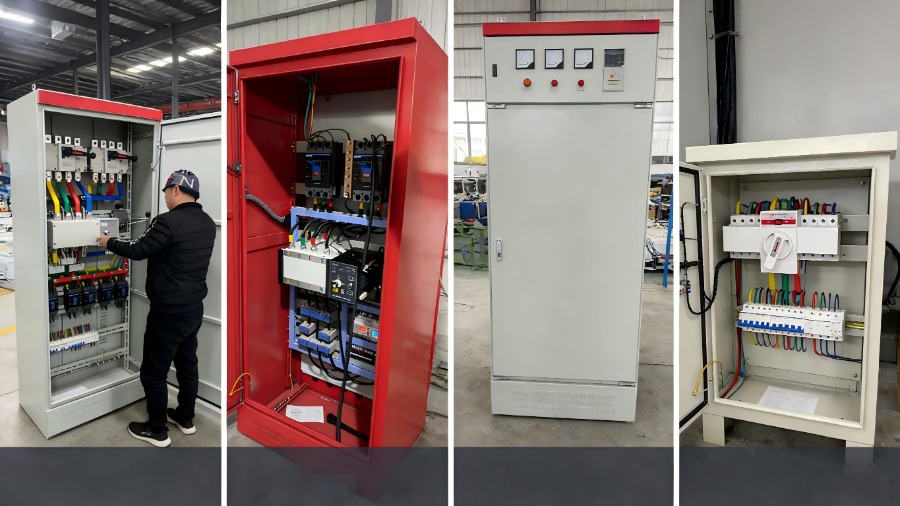
ATS Automatic Transfer Switch 100A–630A – 3P/4P Generator Backup
 |
 |
 |
 |
 |
 |
 |
|
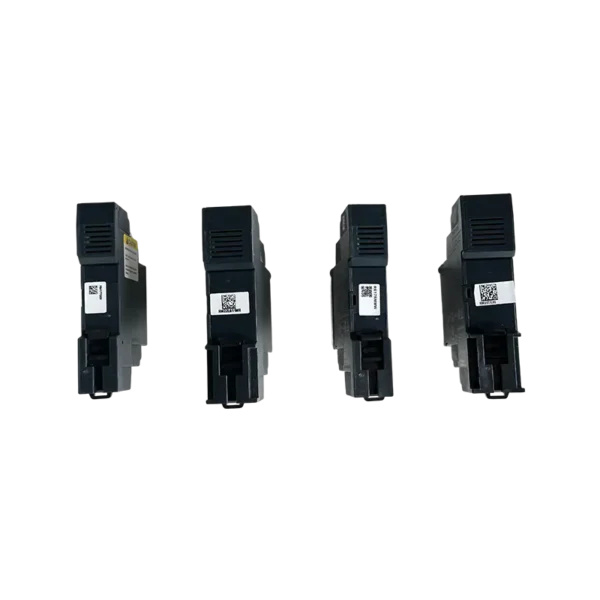
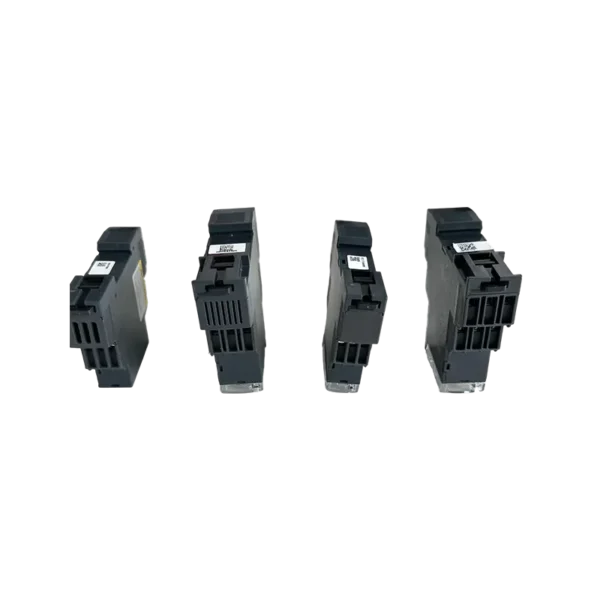
RM22UB34 Single-Phase Voltage Monitoring Relay