
What Gas Insulated Switchgear Is and How It Works
Gas insulated switchgear, commonly abbreviated as GIS, is a compact assembly of electrical switching and protection equipment housed inside sealed metal enclosures filled with an insulating gas, most commonly sulfur hexafluoride (SF6). The gas provides excellent dielectric strength and arc-quenching properties, allowing high-voltage components such as circuit breakers, disconnectors, earthing switches, current transformers, and busbars to be packed into a much smaller footprint than would be possible with traditional air-insulated switchgear (AIS). This makes GIS especially valuable in substations located in urban areas, mountainous terrain, offshore platforms, or anywhere available land is limited or costly.
Because all live components are fully enclosed and isolated from the outside environment, GIS also offers strong protection against pollution, salt spray, moisture, and dust, making it a preferred choice in coastal regions or areas with heavy industrial contamination that would otherwise degrade exposed air-insulated equipment over time.
Main Components of a GIS Assembly
A gas insulated switchgear bay is built from several modular components, each housed in its own gas-tight compartment and connected to adjacent modules through insulated barriers. Understanding these components helps clarify how the system performs switching, protection, and isolation functions safely within a sealed enclosure.
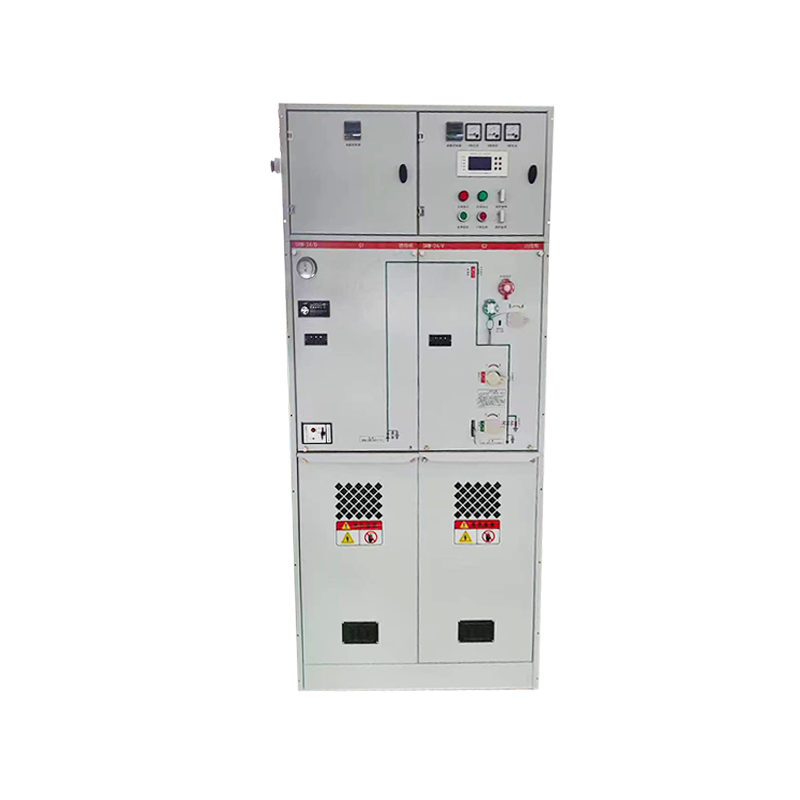
- Circuit breaker: interrupts fault current using the SF6 gas’s arc-quenching capability, typically rated for tens of thousands of amperes of interrupting capacity.
- Disconnector (isolator): provides a visible break in the circuit for maintenance safety, though it cannot interrupt load current.
- Earthing switch: grounds a de-energized section of the busbar or feeder to protect maintenance personnel.
- Current and voltage transformers: supply accurate measurement signals to protection relays and metering systems.
- Busbar compartments: carry current between bays and are typically the largest gas-filled sections in the assembly.
- Cable or gas-insulated line terminations: connect the switchgear to outgoing feeders or transmission lines.
GIS Compared to Air Insulated Switchgear
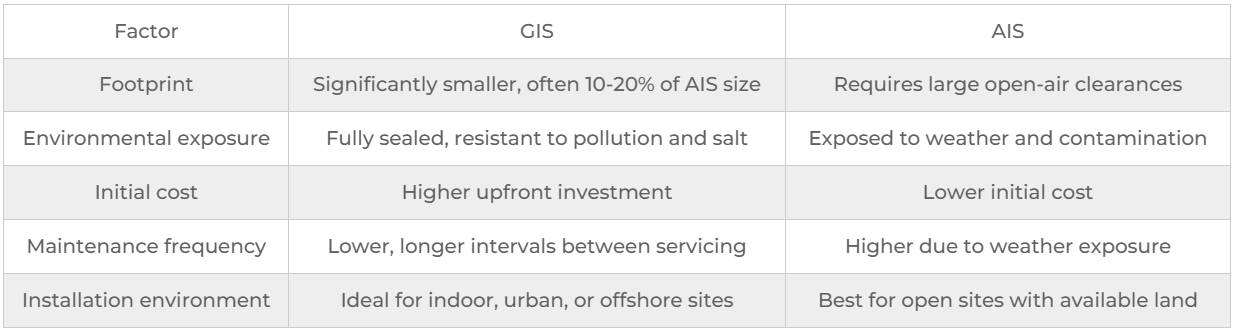
Choosing between GIS and AIS depends on site conditions, budget, and long-term maintenance considerations. The table below summarizes the primary differences engineers weigh during substation planning.
GIS vs AIS Comparison
Voltage Classes and Typical Applications
Gas insulated switchgear is manufactured across a wide voltage range, from medium-voltage distribution systems around 12 to 40.5 kV up to extra-high-voltage transmission applications exceeding 550 kV. At the transmission level, GIS is frequently chosen for substations connecting major power plants, offshore wind farms, or interconnections between regional grids, where reliability and space savings justify the higher equipment cost. At the distribution level, GIS is common in urban substations built inside buildings or underground vaults, where compact dimensions allow switchgear to be located close to load centers without requiring a large fenced yard.
Installation and Site Considerations
Because GIS enclosures are factory-assembled and tested to precise tolerances, installation requires careful attention to site preparation and handling to avoid introducing contamination into the gas compartments.
- Ensure the substation building or enclosure provides adequate clearance for module transport and future maintenance access.
- Maintain strict cleanliness during on-site assembly, since dust or moisture inside gas compartments can reduce dielectric strength.
- Verify gas pressure and purity through partial discharge testing before energizing the switchgear.
- Plan foundation loading calculations carefully, as GIS bays, while compact, are heavier per unit area than equivalent AIS installations.
Maintenance, Monitoring, and Gas Handling
Routine maintenance for GIS focuses primarily on monitoring gas pressure and density rather than the frequent physical inspections required for exposed AIS components. Most modern GIS installations include density monitors that trigger alarms if gas pressure drops below a safe threshold, which could indicate a leak or seal degradation. Because SF6 is a potent greenhouse gas, many utilities now also track cumulative gas leakage rates as part of environmental compliance reporting, and some manufacturers have introduced alternative insulating gas mixtures with lower environmental impact as a response to tightening regulations.
Partial discharge monitoring systems are increasingly installed alongside GIS to detect early signs of insulation degradation before a fault develops, allowing utilities to schedule maintenance proactively rather than reacting to an unplanned outage.
Safety Considerations for Personnel
While GIS enclosures greatly reduce the risk of accidental contact with live parts compared to open-air equipment, personnel working around GIS must still follow strict procedures, particularly regarding gas compartments. In the rare event of an internal fault, decomposition byproducts of SF6 gas can be toxic, so technicians are trained to ventilate compartments properly and use gas analysis equipment before opening any section for maintenance. Lockout-tagout procedures, confirmed through the visible break provided by disconnectors, remain essential before any hands-on work begins, even though the switchgear’s sealed design already minimizes many of the hazards associated with traditional open-air installations.
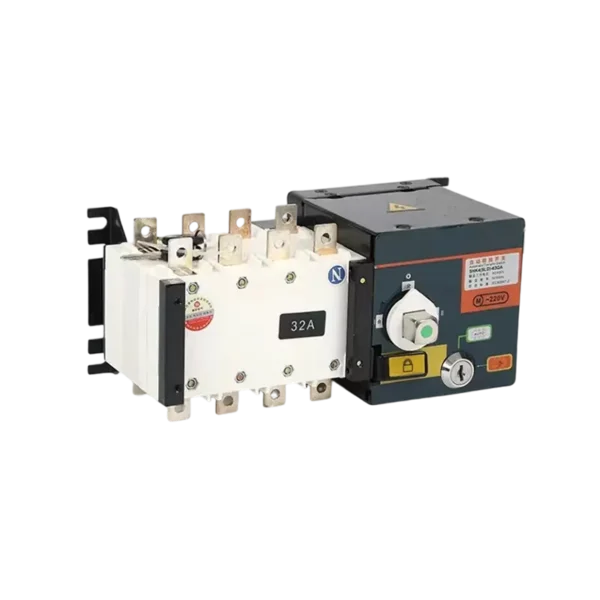
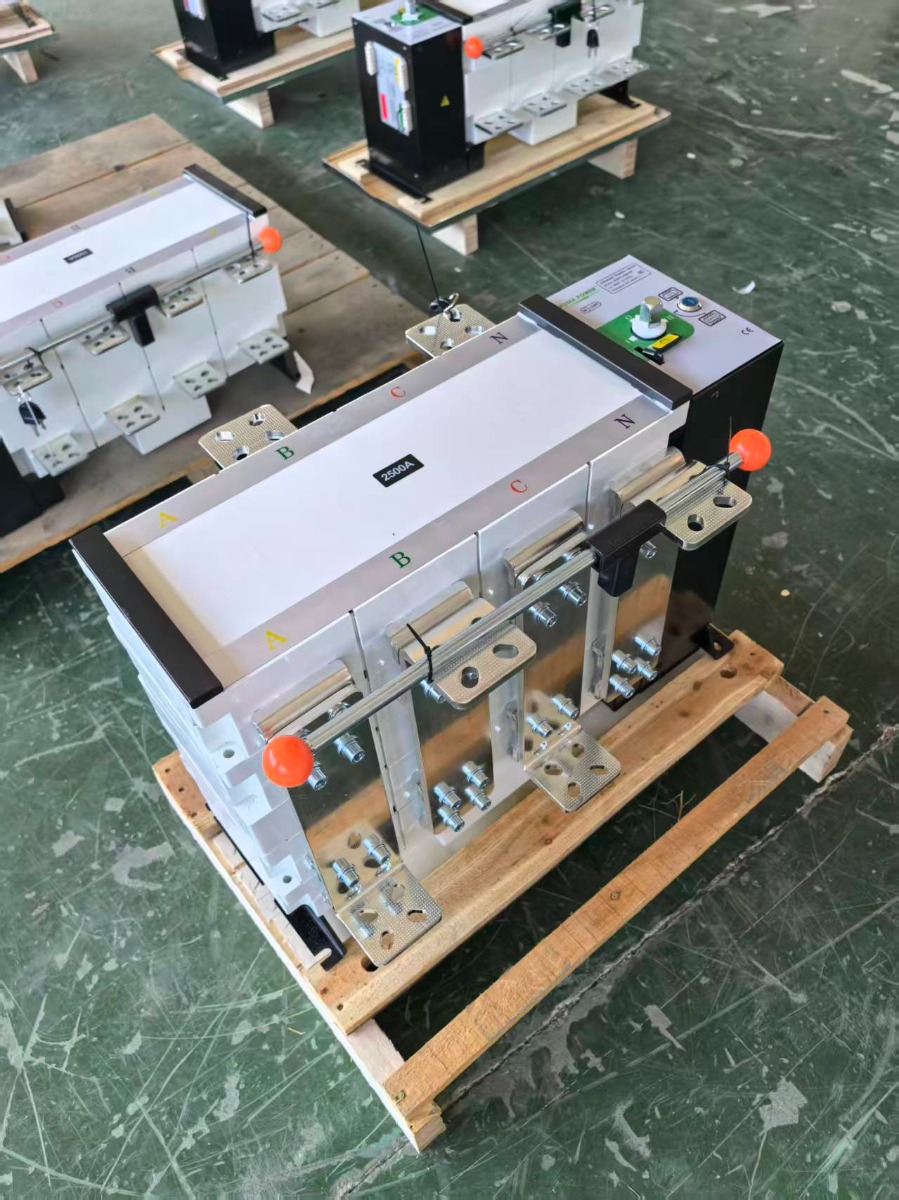
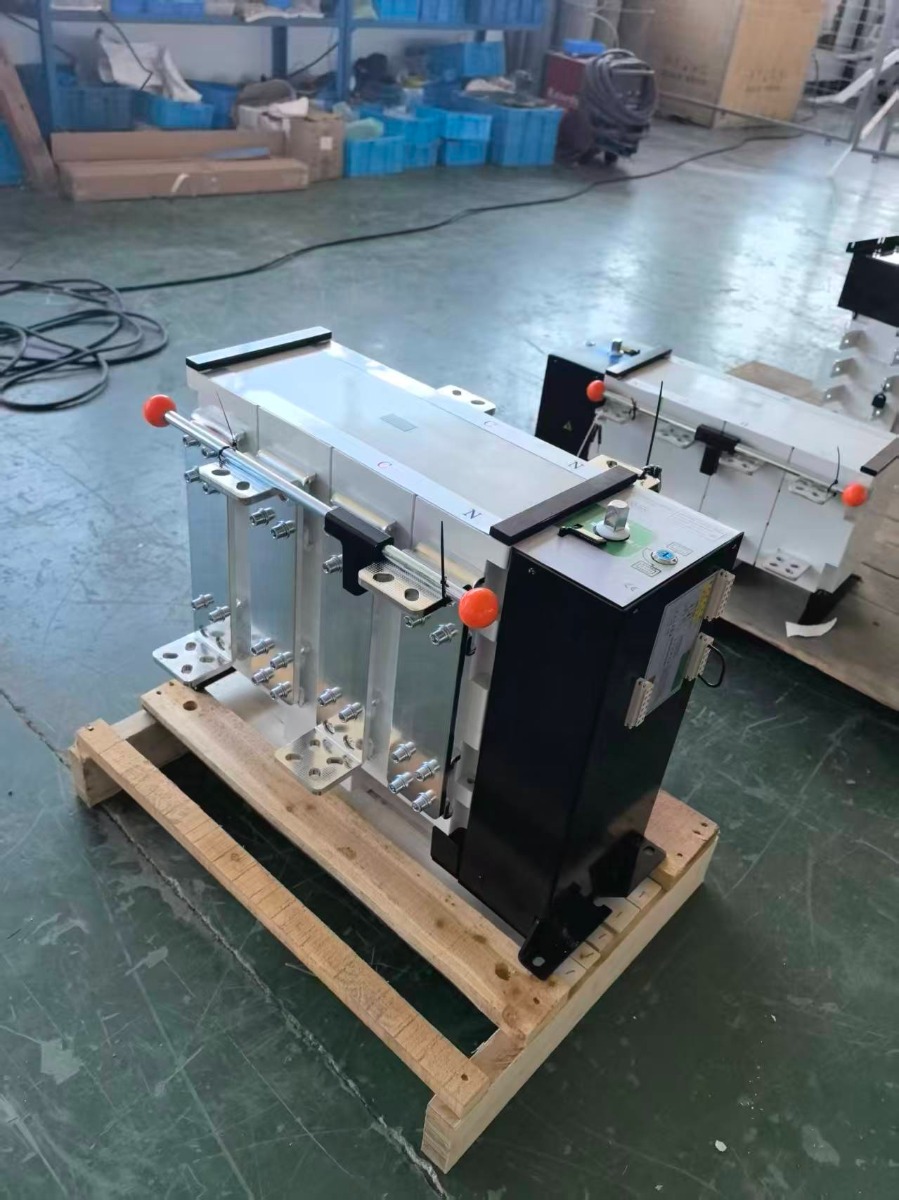
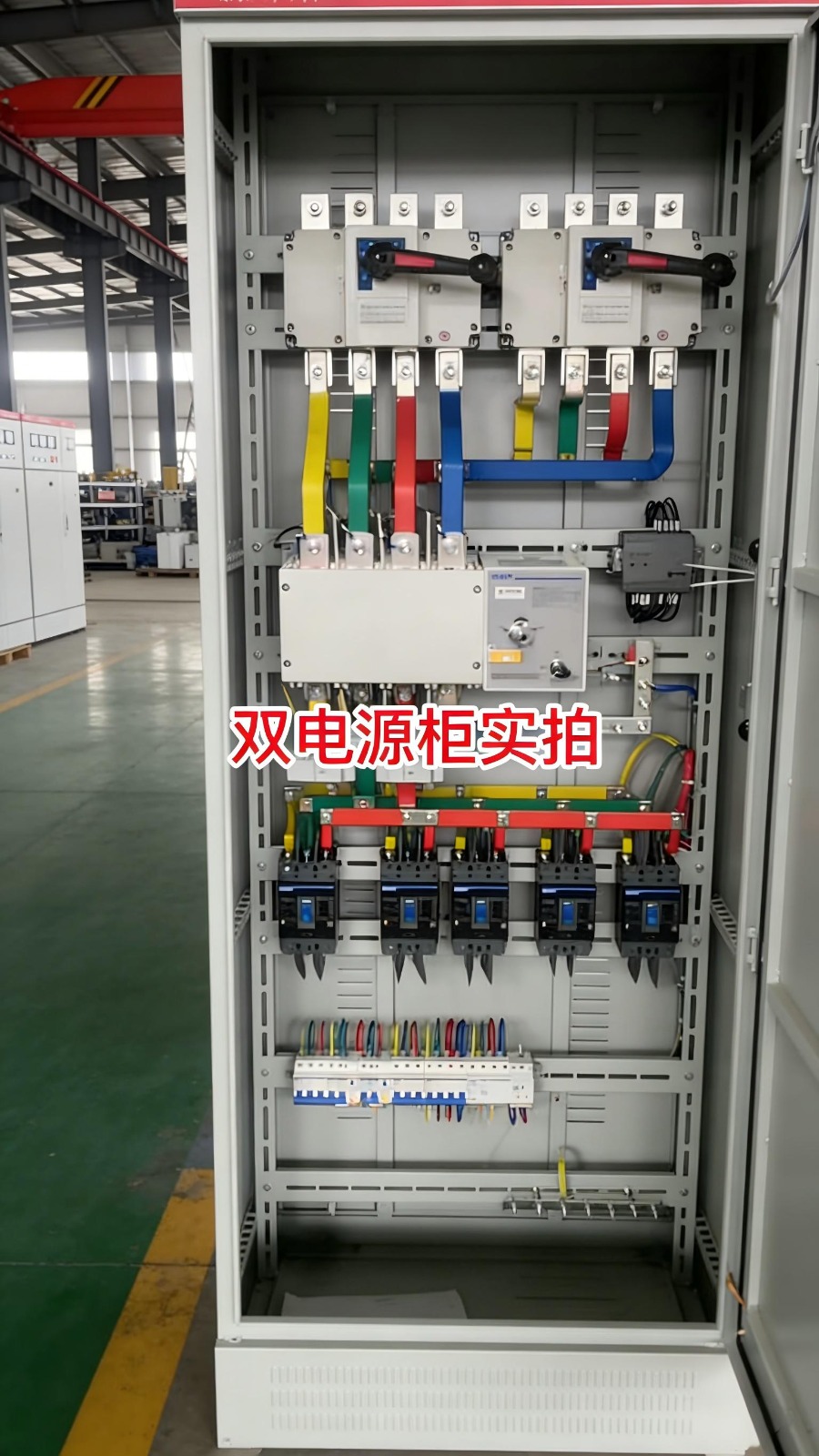
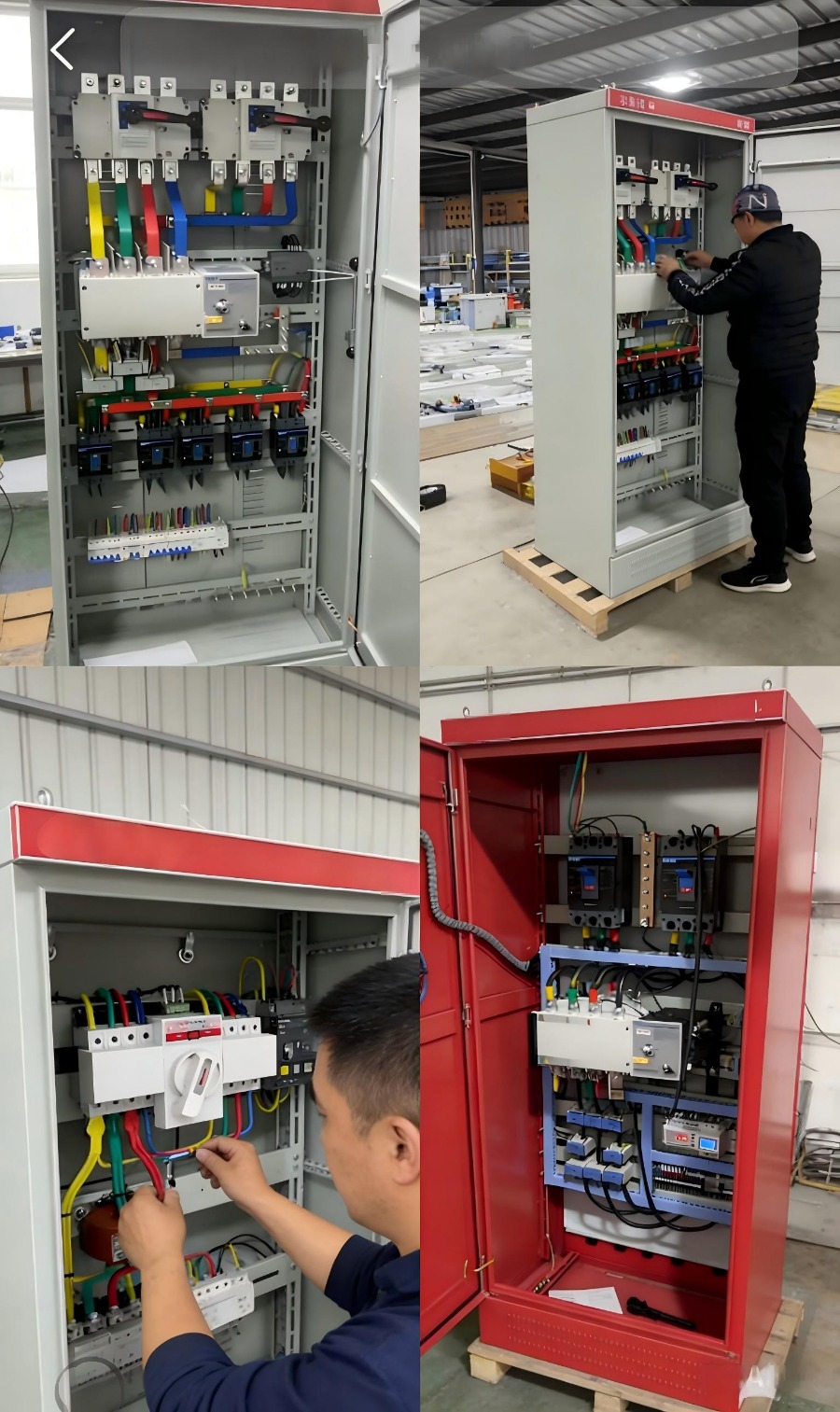
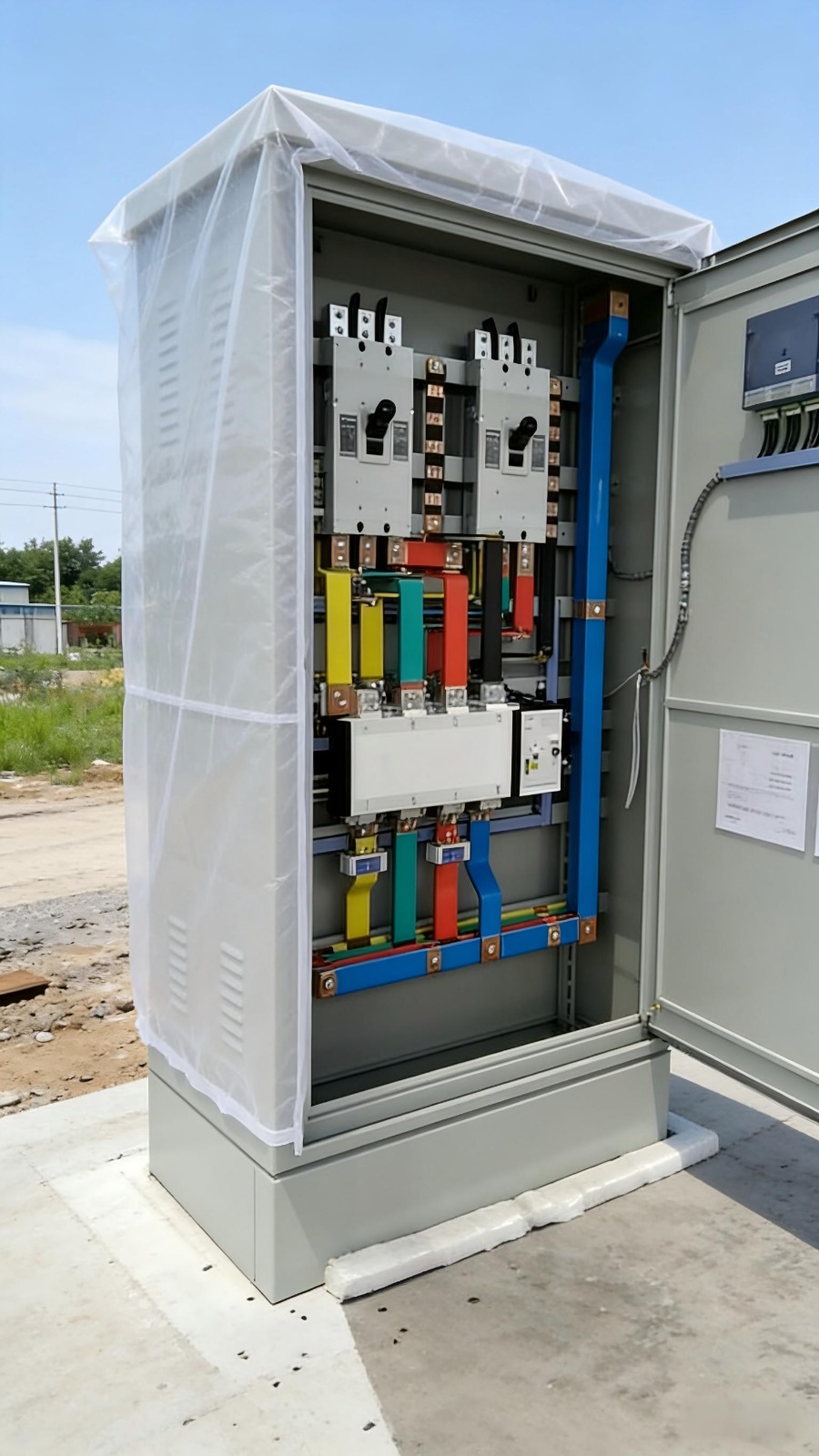
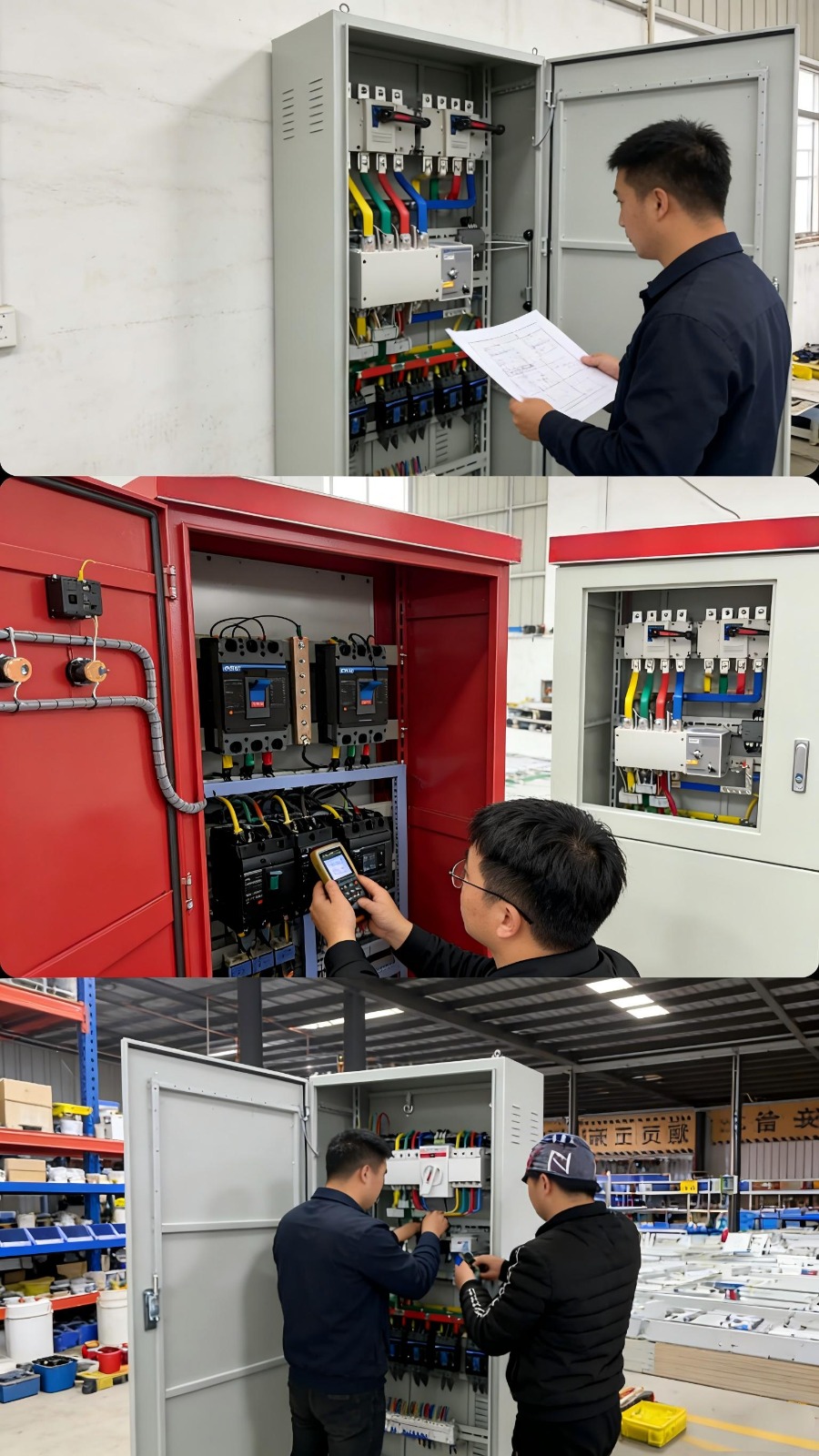
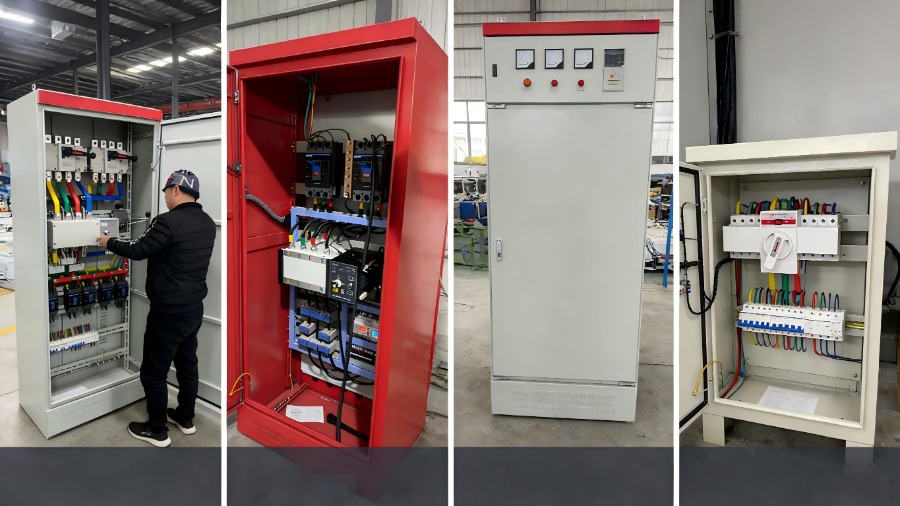
ATS Automatic Transfer Switch 100A–630A – 3P/4P Generator Backup
 |
 |
 |
 |
 |
 |
 |
|
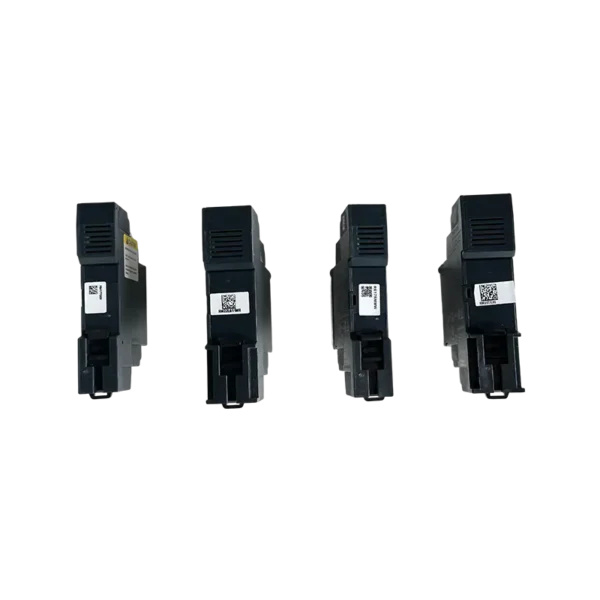
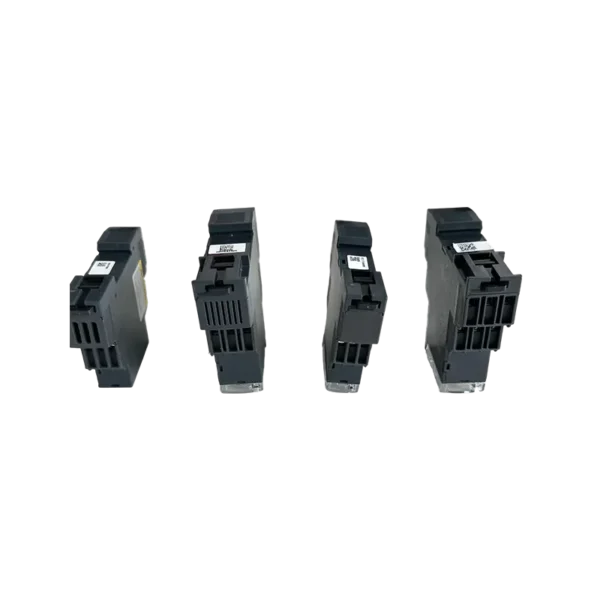
RM22UB34 Single-Phase Voltage Monitoring Relay