
The Function of Outdoor Vacuum Circuit Breakers in Power Distribution
Outdoor vacuum circuit breakers are protective switching devices used in medium and high voltage power distribution networks to interrupt fault currents and safely isolate sections of the electrical system during overloads, short circuits, or scheduled maintenance. Unlike indoor breakers, which operate within enclosed substations protected from the elements, outdoor units are built to withstand direct exposure to rain, temperature extremes, humidity, and UV radiation while maintaining consistent switching performance over decades of service.
The term “vacuum” refers to the interrupting medium used inside the breaker’s contact chamber. When contacts separate to interrupt current flow, the vacuum environment allows the resulting arc to extinguish quickly and cleanly, without the need for oil, gas, or air-blast interruption methods used in older breaker designs. This makes vacuum breakers a preferred choice for utilities and industrial facilities seeking a low-maintenance, environmentally friendly alternative to SF6 gas or oil circuit breakers, particularly for outdoor installations where accessibility for maintenance is more limited.
How Vacuum Interruption Technology Works
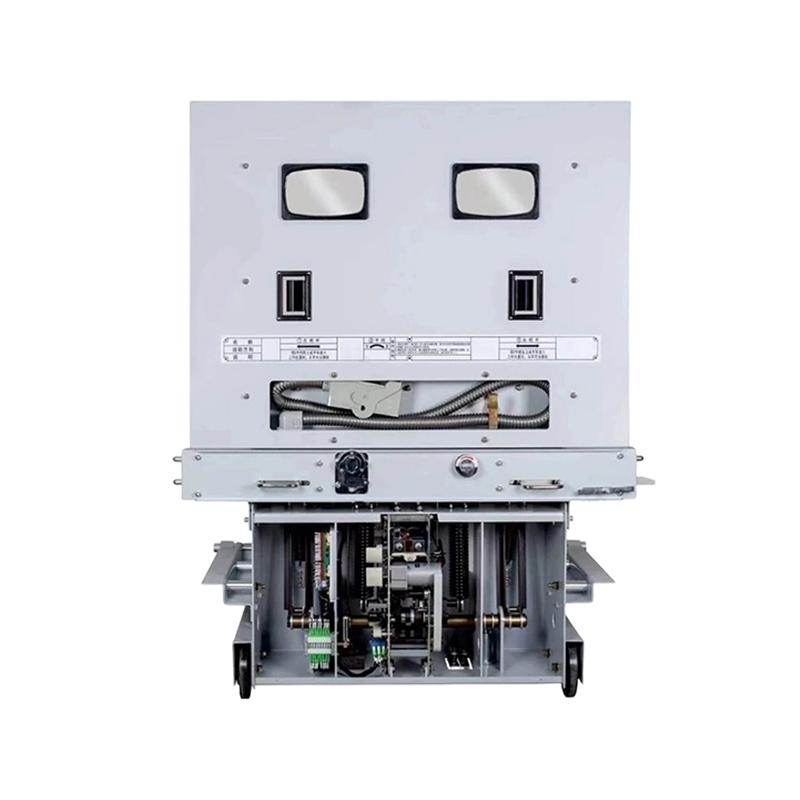
Inside a vacuum circuit breaker, the interrupting chamber contains a fixed and a moving contact sealed within a vacuum bottle, typically maintained at a pressure below 10⁻⁴ pascals. When the breaker receives a trip signal, the moving contact separates from the fixed contact, and the resulting arc is confined within the vacuum interrupter rather than spreading into surrounding air or oil.
Arc Extinction Process
Because there are very few gas molecules present in a vacuum to sustain ionization, the arc extinguishes almost immediately after the current passes through its natural zero crossing point, which occurs twice per AC cycle. This rapid extinction significantly reduces arc duration compared to air or oil breakers, minimizing contact erosion and extending the operational lifespan of the switching contacts.
Dielectric Recovery
After the arc is extinguished, the vacuum gap rapidly regains its dielectric strength, allowing it to withstand the system’s recovery voltage without re-striking. This fast dielectric recovery is one of the key advantages of vacuum interruption over other switching mediums, particularly for applications requiring frequent switching operations.
Design Features for Outdoor Environmental Resistance
Since outdoor breakers face continuous exposure to weather, several construction features are incorporated to maintain reliable performance across varying environmental conditions.
- Weatherproof housings constructed from corrosion-resistant materials such as galvanized steel or stainless steel
- Silicone rubber or porcelain bushings designed to resist tracking and flashover under wet or contaminated conditions
- Anti-condensation heaters installed within control cabinets to prevent moisture buildup on internal components
- Sealed operating mechanisms rated to IP54 or higher to prevent dust and water ingress
- Wide operating temperature ratings, often from -30°C to 50°C, to accommodate seasonal extremes
Bushing selection is particularly important in coastal or industrial areas where salt deposits or airborne pollutants can accumulate on insulator surfaces, increasing the risk of surface flashover. Silicone rubber bushings have become increasingly common in these environments due to their hydrophobic surface properties, which cause water to bead and roll off rather than forming a continuous conductive film.
Key Electrical Ratings to Consider
Selecting the correct outdoor vacuum circuit breaker requires matching several electrical ratings to the specific application and system conditions where the breaker will be installed.
| Rating | Typical Range | Application Relevance |
| Rated Voltage | 15 kV to 38 kV | Matches distribution or sub-transmission voltage level |
| Rated Continuous Current | 630A to 3150A | Determines maximum sustained load capacity |
| Short-Circuit Breaking Current | 16 kA to 31.5 kA | Determines fault current interruption capability |
| Mechanical Endurance | 10,000 to 30,000 operations | Indicates expected operating lifespan without major overhaul |
Utilities and industrial engineers typically select breaker ratings based on a system fault study, which calculates the maximum available fault current at the installation point. Selecting a breaker with a short-circuit rating below this calculated value creates a serious safety hazard, since the breaker may fail to safely interrupt a fault beyond its rated capacity.
Common Applications in Distribution Networks
Outdoor vacuum circuit breakers are widely deployed across several segments of the electrical grid, each with slightly different performance priorities.
Utility Substations
Utilities use outdoor vacuum breakers at pole-top and pad-mounted substation locations to protect feeder circuits and enable automatic sectionalizing during fault conditions, helping isolate faulted sections while maintaining service to unaffected areas of the distribution network.
Renewable Energy Interconnections
Solar and wind farms frequently use outdoor vacuum breakers at the point of interconnection with the utility grid, where they provide fault protection and allow the renewable facility to be safely disconnected during grid disturbances or planned maintenance activities.
Industrial Facilities
Heavy industrial sites, including mining operations and manufacturing plants with on-site medium voltage distribution, rely on outdoor breakers to protect transformers and feeder lines that run between separate buildings or processing areas exposed to outdoor conditions.
Maintenance Practices That Extend Service Life
Although vacuum circuit breakers require significantly less maintenance than oil or air-blast alternatives, periodic inspection remains necessary to confirm continued reliability. Vacuum integrity testing, performed using a high-voltage withstand test on the open contact gap, verifies that the vacuum bottle has not lost its seal over time, since a compromised vacuum bottle cannot safely interrupt fault current.
Contact resistance measurements should also be taken periodically to detect excessive contact erosion from repeated switching operations. Additionally, mechanism lubrication points, control cabinet heaters, and surge arresters connected near the breaker should be checked during scheduled maintenance visits to ensure the entire protection system continues functioning as designed throughout the outdoor breaker’s expected 25 to 30 year service life.
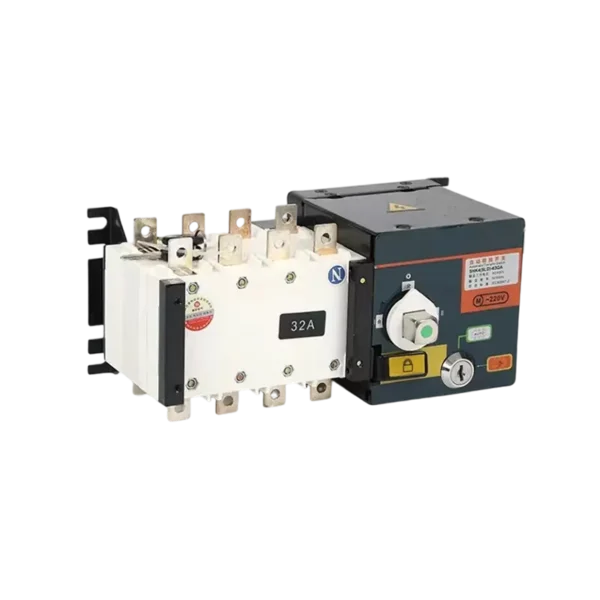
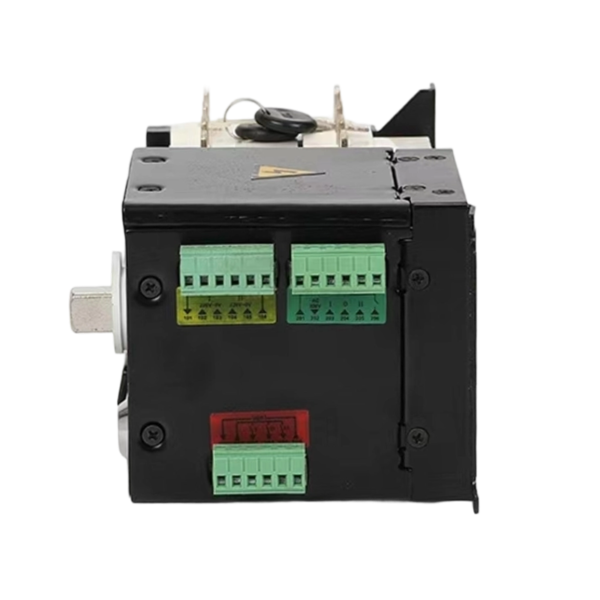
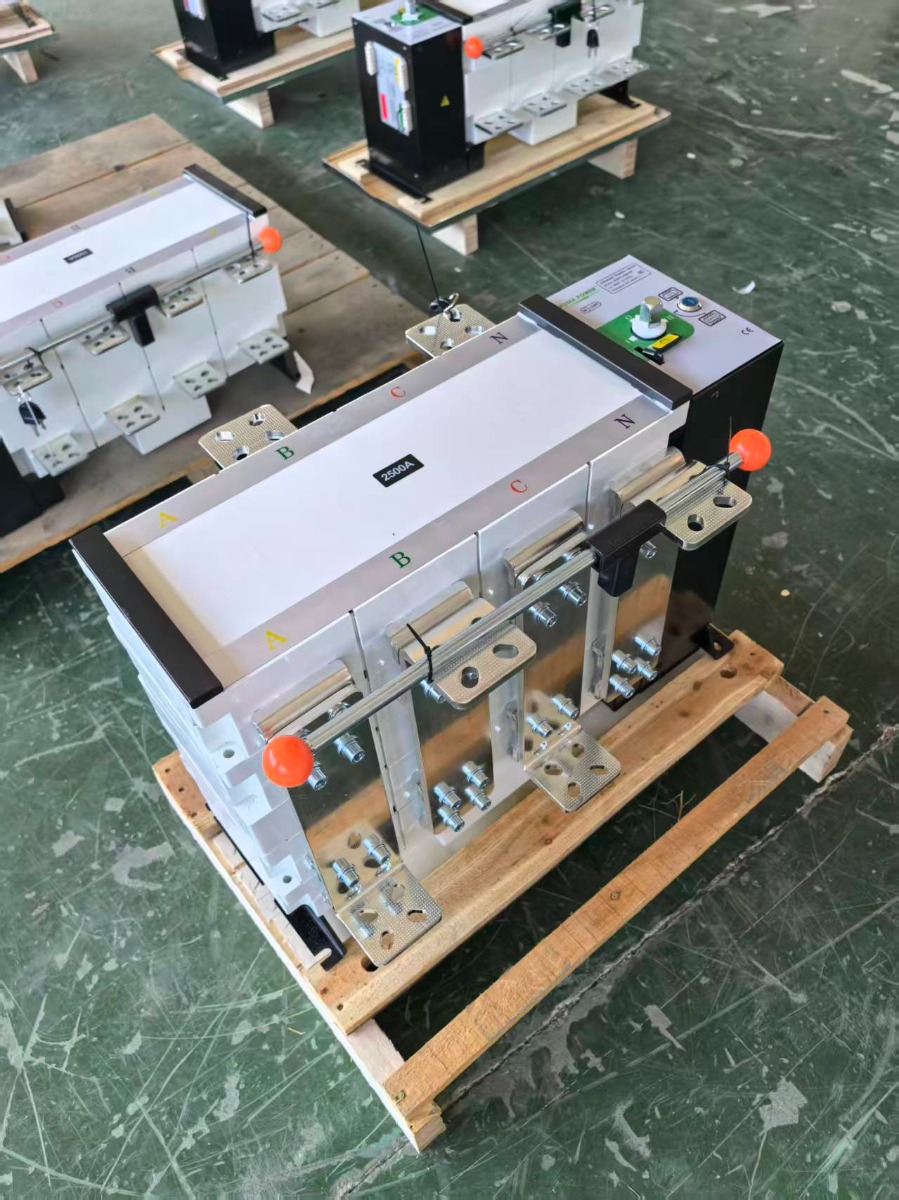
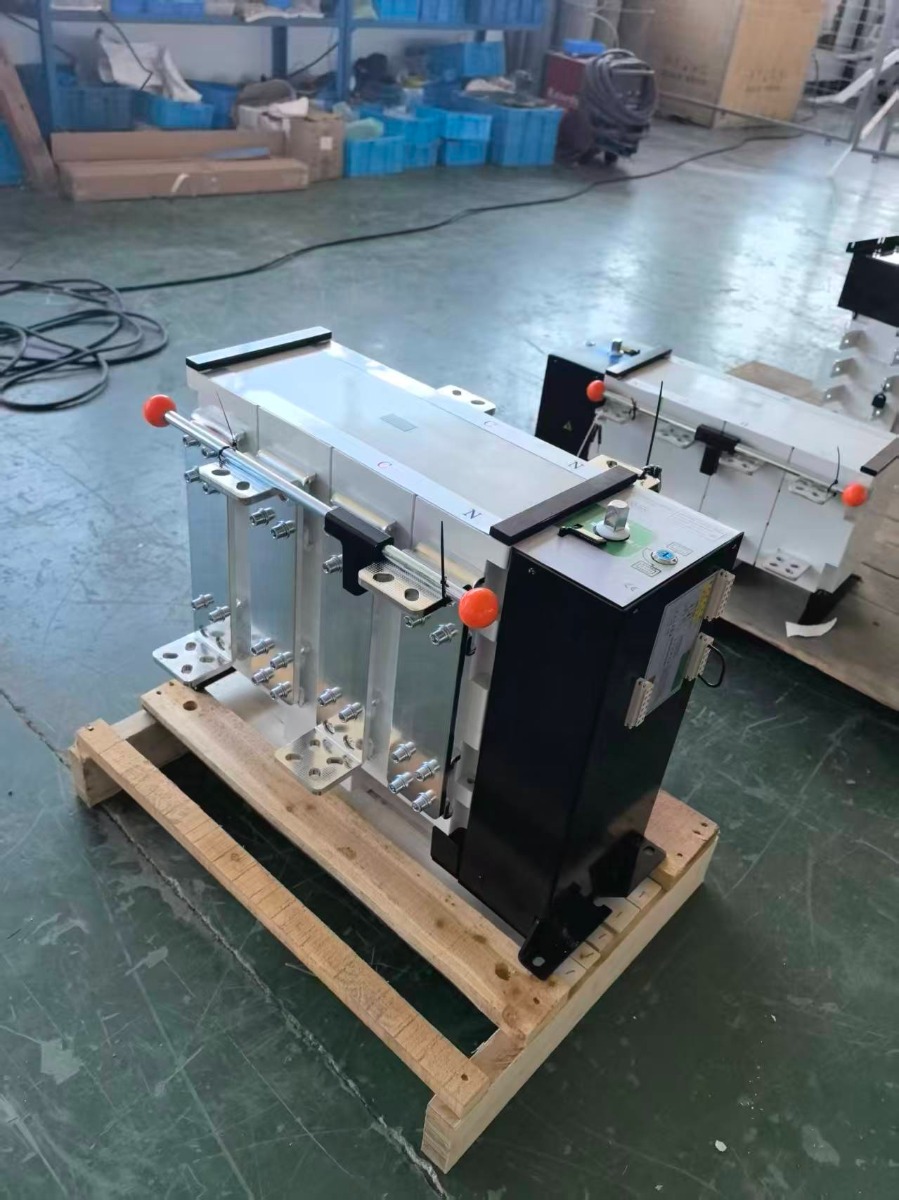
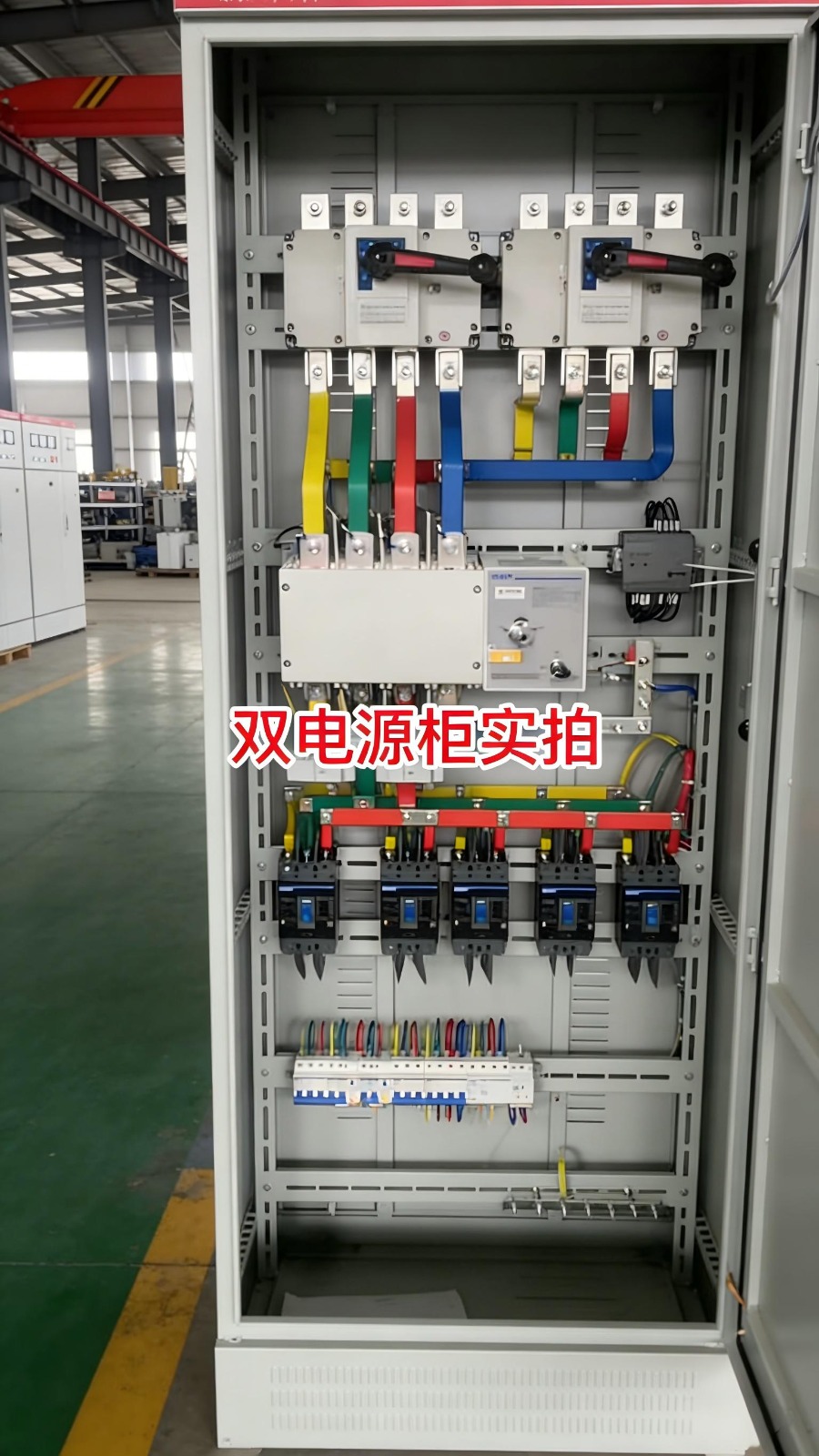
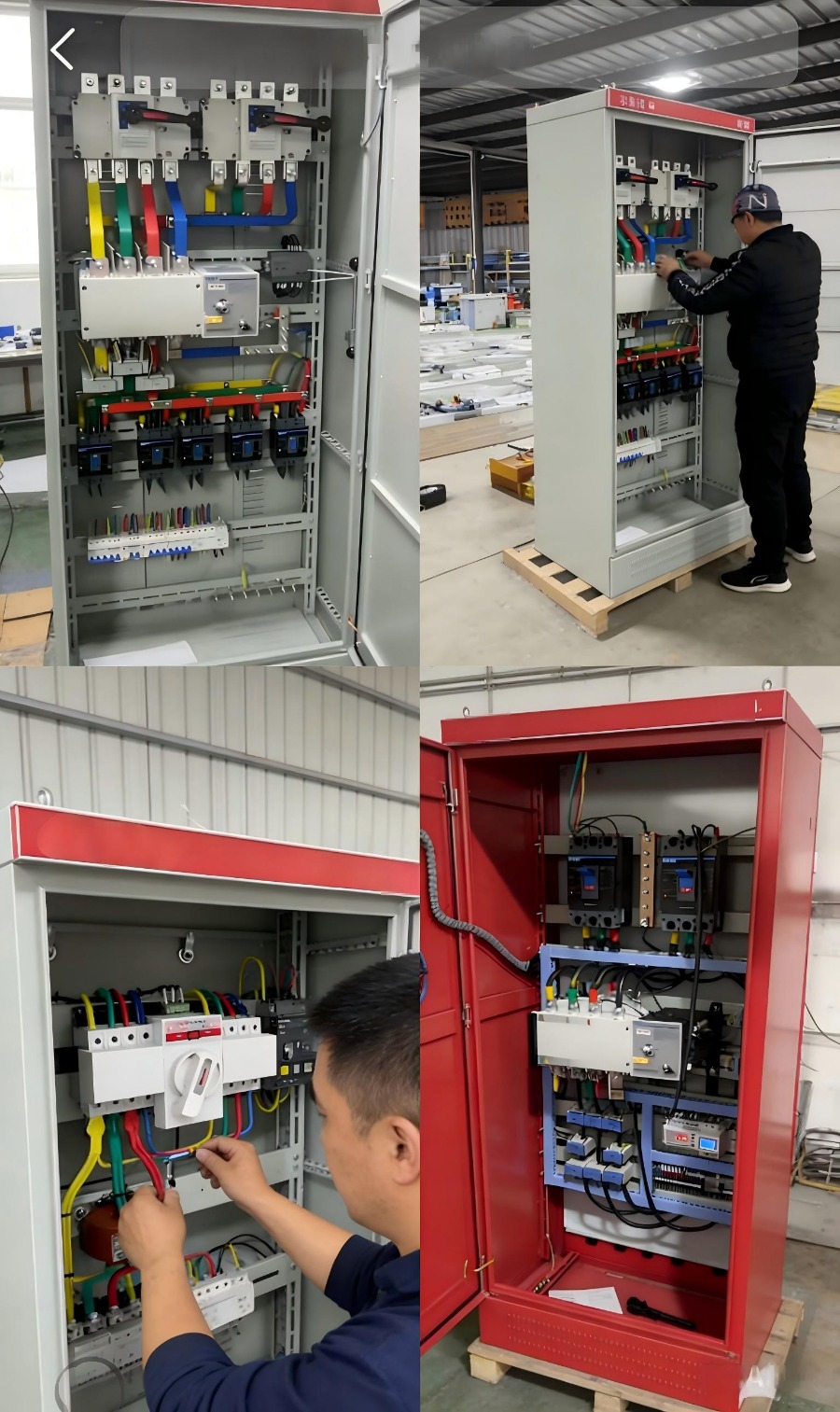
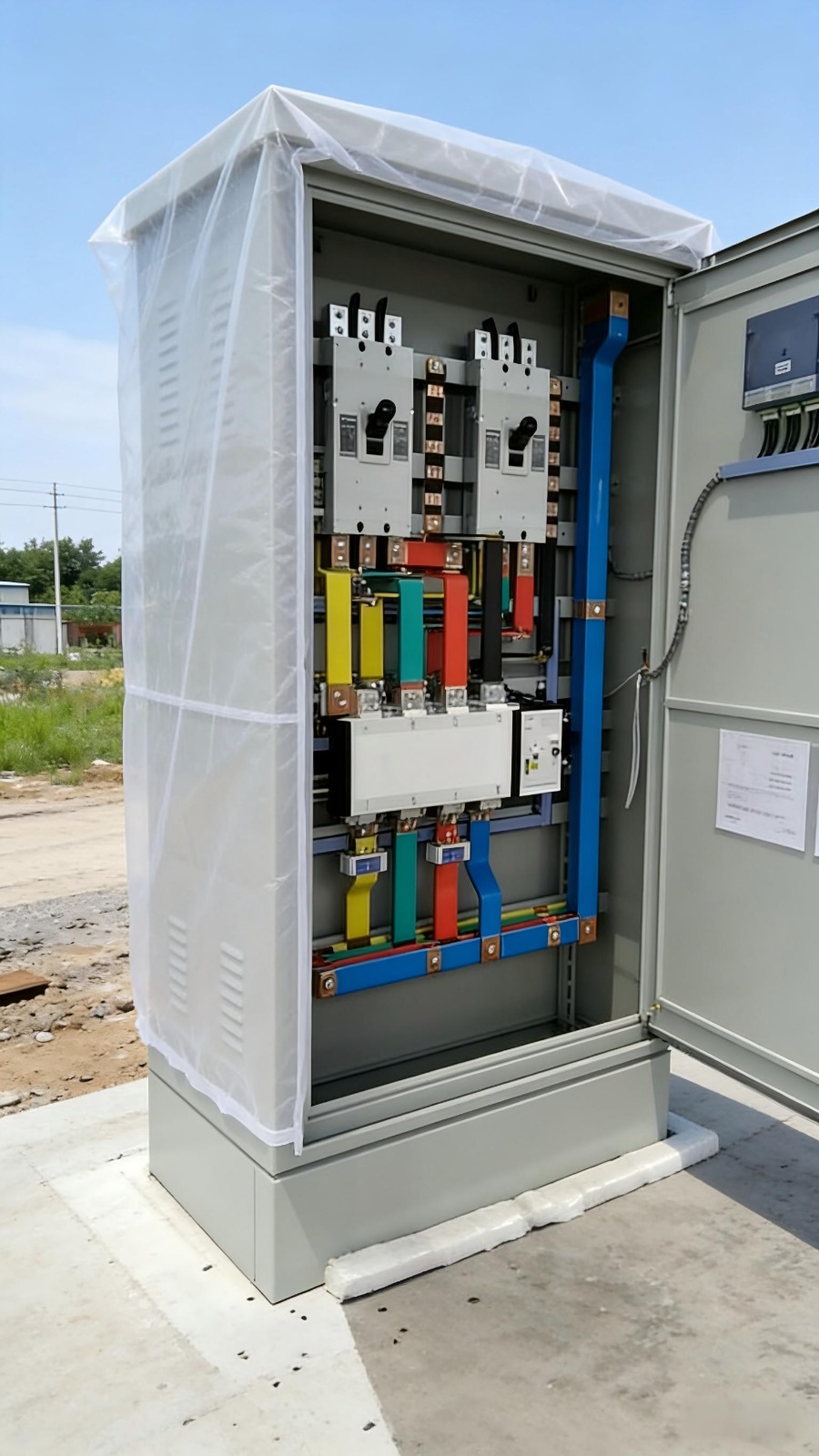
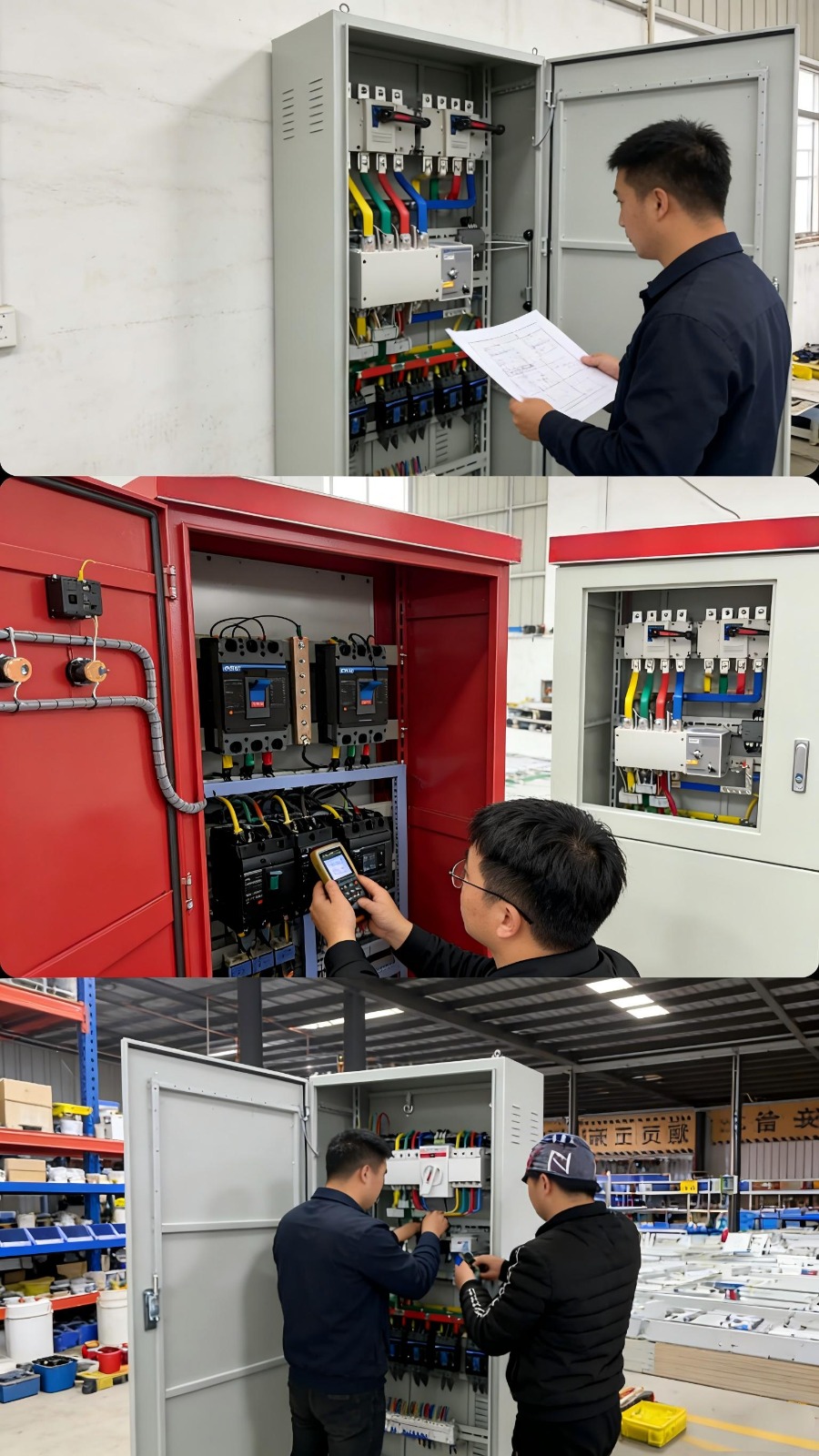
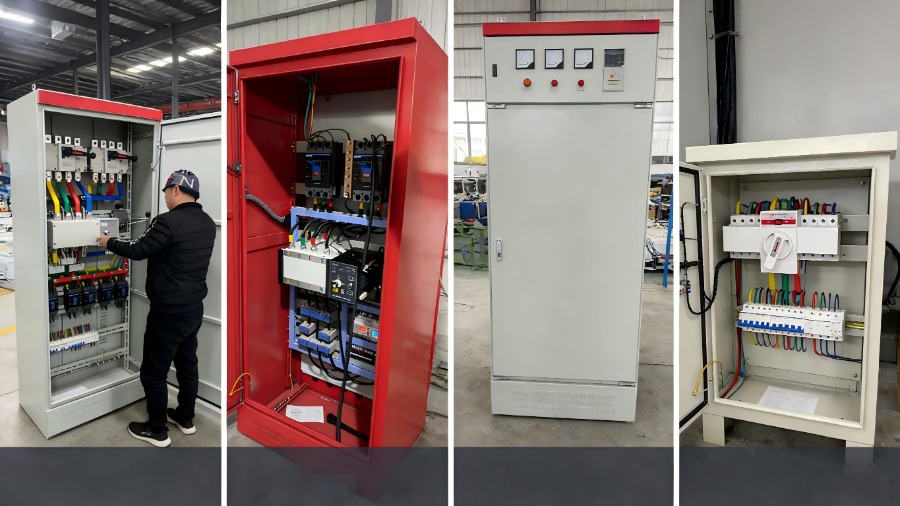
ATS Automatic Transfer Switch 100A–630A – 3P/4P Generator Backup
 |
 |
 |
 |
 |
 |
 |
|
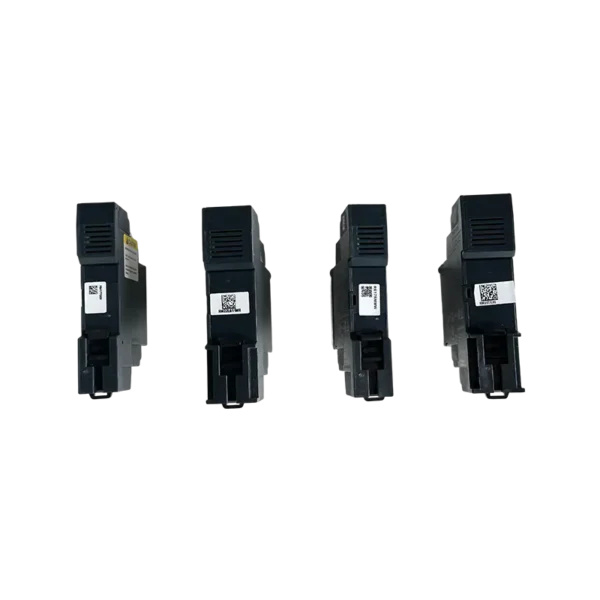
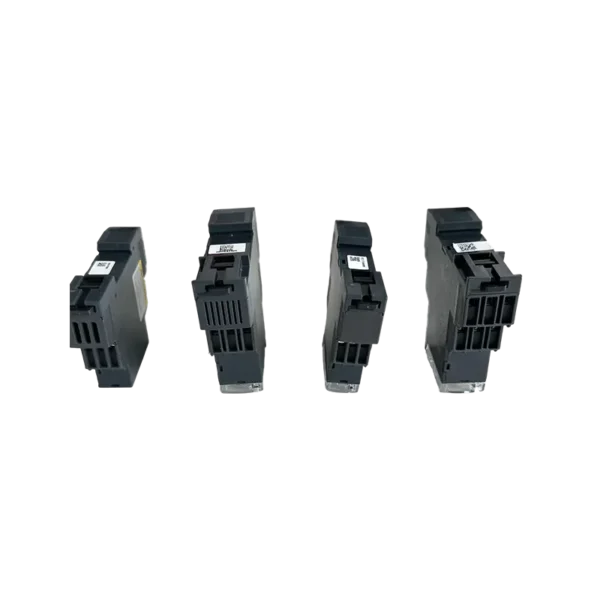
RM22UB34 Single-Phase Voltage Monitoring Relay